PRP (Platelet Rich Plasma)
Quick facts
- Time 15 minutes to 1 hour
- Pain level Painless
- Anesthesia Topical anesthesia
Overview
The procedure
PRP (Platelet-Rich Plasma) – Autologous Regenerative Treatment
Natural skin regeneration with autologous growth factors
PRP is a biocompatible skin regeneration treatment that uses platelet-rich plasma derived from the patient’s own blood. By activating the skin’s natural healing and regeneration mechanisms, it helps improve skin quality, radiance, and firmness.
What is PRP
PRP (Platelet-Rich Plasma) is obtained through the specialised processing of a small amount of blood and is considered an autologous treatment, as it uses material exclusively from the patient’s own body.
How the Treatment Works
Platelets release growth factors that stimulate collagen production and improve microcirculation in the treated area, supporting the natural regeneration of tissues.
The procedure includes:
| Drawing a small amount of blood |
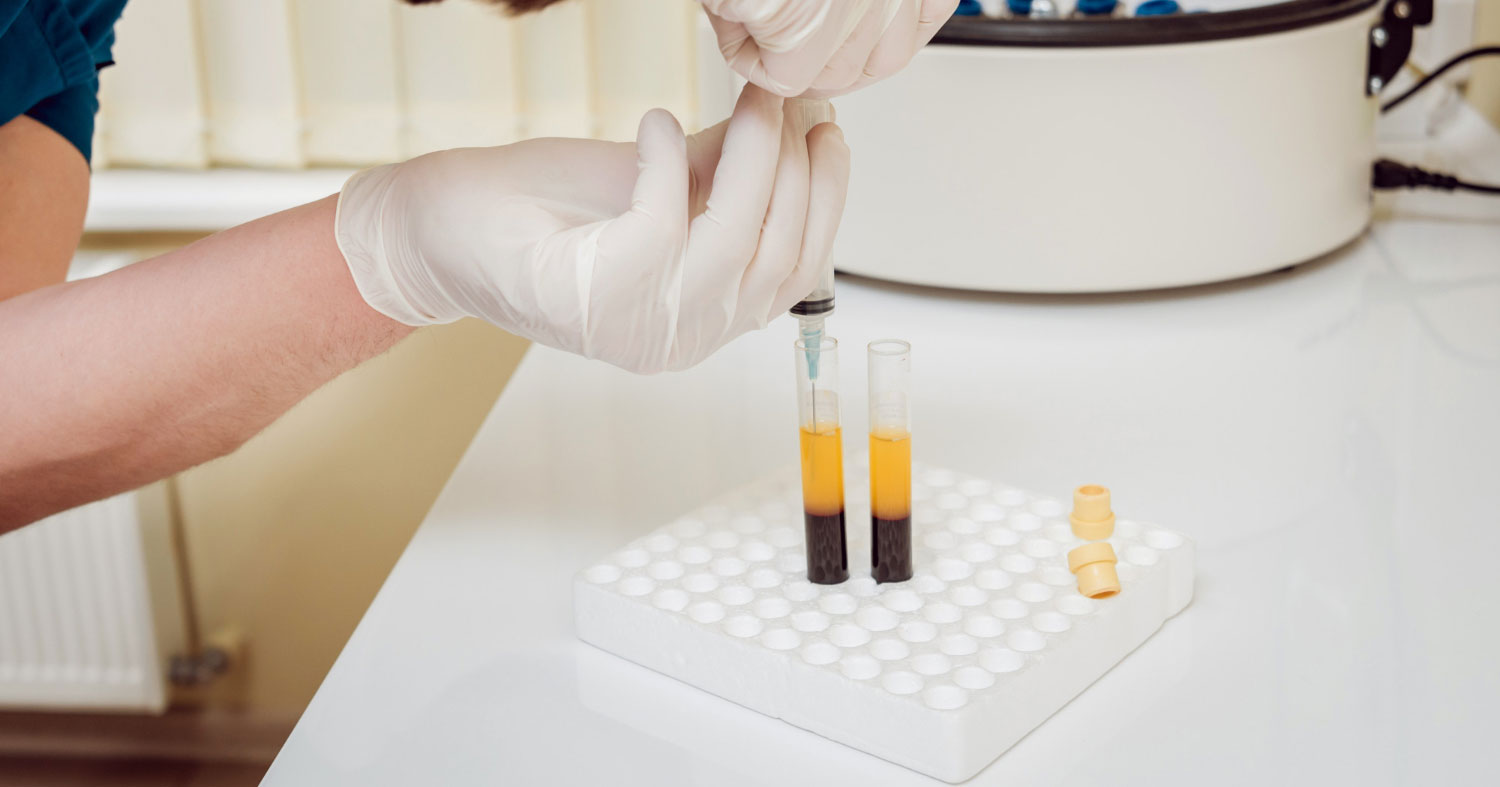
| Centrifugation to isolate the platelet-rich plasma |
| Preparation of the PRP for application |
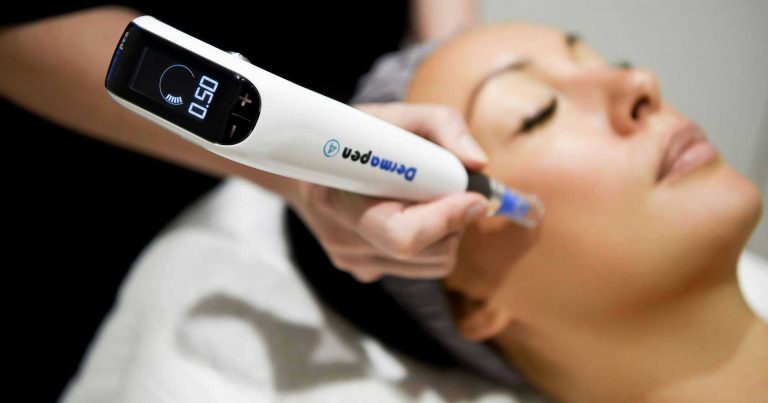
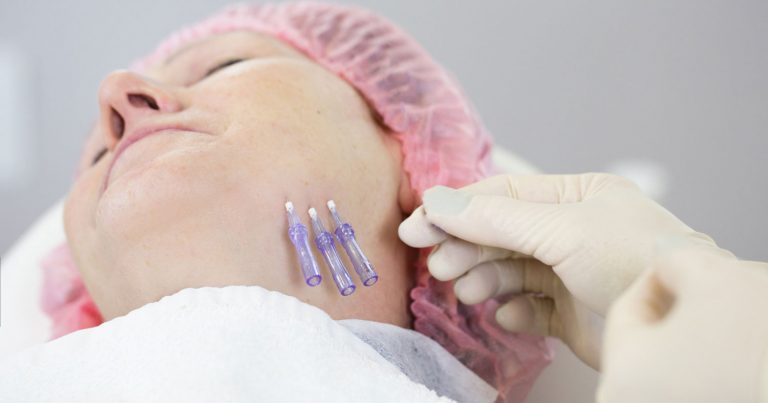
| Application through targeted injections or combined with microneedling (Dermapen 4), depending on the indication |
Benefits
PRP treatment helps with:
Treatment Areas and Who It’s Suitable For
The treatment can be applied to:
- Face
- Neck
- Décolletage
- Hands
- Body areas with skin laxity
- Scalp
It is suitable for women and men who wish to improve skin quality naturally or support hair growth.
Duration, Sessions and Results
Usually, a course of 2–3 sessions is recommended, depending on the treatment area and the treatment goals.
Improvement in skin quality, texture, and brightness becomes gradually visible within the first weeks, with further enhancement over the following months.
The effects of the treatment may last up to 6 months, while maintenance sessions are usually recommended every 6 months, depending on the body’s response and the treatment plan.
The effects of the treatment may last up to 6 months.
Safety and Recovery
PRP is a well-tolerated and biocompatible treatment, as it uses autologous material derived from the patient’s own blood, significantly reducing the risk of allergic reactions.
After the treatment, mild redness, slight swelling, small bruising, or temporary sensitivity may appear in the treated area, usually subsiding within 2–3 days.
No downtime is required, and patients can usually return immediately to their daily activities.
Contraindications
The treatment is not recommended in cases such as:
- blood clotting disorders
- pregnancy
- history of thrombosis
- current cancer diagnosis
- chronic liver disease
- severe haematological disorders
Treatment Cost
The cost of PRP treatment depends on the application method and the treatment area.
Frequently Asked Questions
Is PRP treatment painful?
The treatment is performed using very fine needles and is generally well tolerated. A topical numbing cream may be used to reduce discomfort.
When will I see results?
Improvement in skin quality, texture, and radiance usually becomes visible within the first few weeks, with further improvement over the following months.
How many sessions are needed?
A course of 2–3 sessions is usually recommended. However, the number and frequency are determined individually depending on the treatment area and the goal of the treatment.
The effects continue to improve progressively over the first months and can last up to 6 months. For maintenance, repeat treatment every 6 months is usually recommended.
Is PRP a safe treatment?
Yes. Since autologous material from the patient’s own blood is used, there is no risk of allergic reactions.
Can PRP be applied to the scalp?
Yes. PRP can also be applied to the scalp, helping support hair growth and reduce hair loss.
Is there any downtime?
Mild redness or swelling may occur and usually resolves within 1–3 days. No downtime is required, and return to daily activities is immediate.
Related treatments